הסרטון אמור להתחיל עם קול. אם לא — לחצו פעם על הנגן (חלק מהדפדפנים חוסמים autoplay עם קול עד לחיצה).
ליל הבדולח - 1938 - Kristallnacht
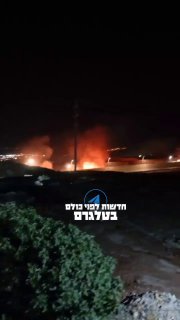
יש נתון אחד שמעטים עוצרים לחשוב עליו — בלילה הזה נהרסו ונשרפו למעלה מ־1,400 בתי כנסת ברחבי גרמניה ואוסטריה.
זה לא רק מספר — זה סמל. כל בית כנסת הוא מקום של תפילה, תקווה וחיבור לאלוהים, וברגע אחד ניסו למחוק את החיבור הזה.
אבל דווקא כאן טמון עומק רוחני מפתיע: למרות ההרס הפיזי, האמונה של העם היהודי לא נעלמה — היא רק התחזקה והמשיכה לעבור מדור לדור.
הרעיון הזה מופיע גם במסורת: “כי לא יטוש ה' עמו” (תהילים צ"ד), כלומר גם בזמנים של חורבן — הקשר לאל נשאר.
הנאצים ניסו לשבור לא רק אנשים — אלא רוח, וזה לא הצליח.
ואולי זה המסר החזק ביותר: אפשר לשרוף מבנים — אבל אי אפשר לכבות אמונה.
There is one fact many people don’t stop to consider — on that night, over 1,400 synagogues were destroyed and burned across Germany and Austria.
This is not just a number — it’s a symbol. Every synagogue represents prayer, hope, and connection to God, and in one moment, they tried to erase that connection.
But here lies a surprising spiritual depth: despite the physical destruction, the faith of the Jewish people did not disappear — it only grew stronger and continued through generations.
This idea also appears in tradition: “For the Lord will not forsake His people” (Psalms 94), meaning even in times of destruction — the bond with God remains.
The Nazis tried to break not only people — but spirit, and they failed.
And maybe that’s the strongest message: you can burn buildings — but you cannot extinguish faith.
שתף
דיווח
בקשת הסרה (זכויות יוצרים / תוכן בעייתי) או בקשת ציון קרדיט — נבדוק ונחזיר תשובה במידת האפשר.
פרסומת